


Traveling outside the United States as a noncitizen often requires more than just a passport. Depending on your immigration status, you may need a Travel Document to return legally without abandoning your U.S. immigration process. That’s where Form I-131, Application for Travel Document, comes in.
In 2025, with new immigration updates and stricter rules around international travel, it’s more important than ever to understand when and how to file Form I-131. This guide will help you navigate the process in a clear, human-friendly way—so you know exactly what to do.
Table of Contents
What Is Form I-131?
Form I-131, issued by U.S. Citizenship and Immigration Services (USCIS), is used to apply for different types of travel documents. These documents allow noncitizens to re-enter the U.S. legally after temporary international travel.
Common travel documents include:
- Reentry Permit – For green card holders planning to stay outside the U.S. for more than a year.
- Advance Parole – For adjustment of status applicants (Form I-485) who need to travel abroad before their green card is approved.
- Refugee Travel Document – For refugees or asylees needing international travel authorization.
Who Needs to File I-131?
Not everyone needs to file Form I-131. You should consider it if you are:
- A green card holder expecting long trips outside the U.S.
- An adjustment of status applicant (waiting on Form I-485 approval) who must travel abroad.
- A refugee or asylee who needs a valid document for safe reentry.
- A DACA recipient or other noncitizen eligible for advance parole.
Without the correct travel document, you risk denying your reentry or abandoning your pending application.
Documents Required for I-131
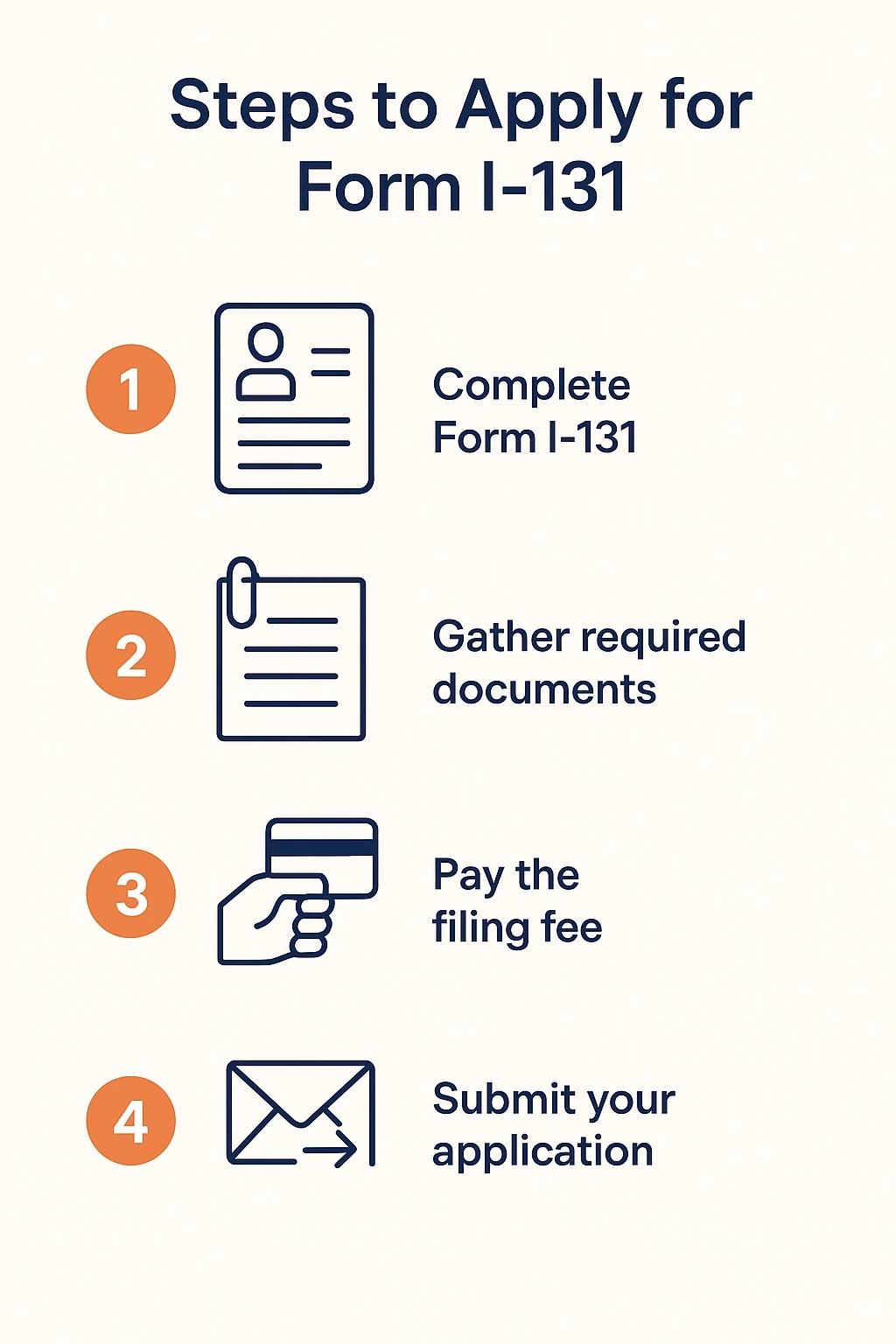
When preparing your I-131 application, USCIS will typically ask for:
- A completed and signed Form I-131
- A copy of your passport or government-issued ID
- Two passport-style photos
- A copy of your green card, I-485 receipt, or other USCIS notice (depending on your category)
- Proof of pending immigration status (if applying for advance parole)
- Filing fee or a fee waiver request (if eligible)
Always review the official USCIS I-131 instructions to confirm category-specific requirements.
Filing Options and Fees in 2025
You can file by mail or online (if eligible). Online filing is recommended for faster receipt notices and easier tracking.
As of 2025, fees vary depending on the type of travel document and your immigration status. Always check the current USCIS fee schedule before applying.
Processing Time
Processing times for Form I-131 can range from 3 to 12 months, depending on your document type and case load at USCIS. For urgent cases, you may request expedited processing, though approval is not guaranteed.
Tips for a Successful I-131 Application
- File early – Don’t wait until your trip is close. Start months in advance.
- Stay consistent – Ensure all names and dates match your other USCIS records.
- Keep copies – Always save copies of your full application and USCIS receipts.
- Track online – Use the USCIS case status tool to monitor progress.
- Avoid mistakes – Small errors can cause long delays or denials.
Why Form I-131 Matters
For many immigrants, travel is unavoidable—whether for family emergencies, education, or work. Having an approved I-131 means you can travel confidently, knowing your U.S. immigration status is protected. Without it, you risk losing years of progress toward permanent residency or other immigration benefits.
Learn more about work authorization while in the U.S. with our USCIS I-765 Work Permit Application Guide – Everything You Need to Know.
Final Thoughts
The I-131 Application for Travel Document is a vital safeguard for immigrants who need to leave the United States temporarily. Whether you’re applying for a reentry permit, advance parole, or a refugee travel document, careful preparation is key. By filing early, organizing your paperwork, and following USCIS guidelines, you’ll have peace of mind knowing your ability to re-enter the U.S. is protected.